

Immersion-to-Impact: Developing Next-Generation Leadership in AI, Energy, and Low-Carbon Systems
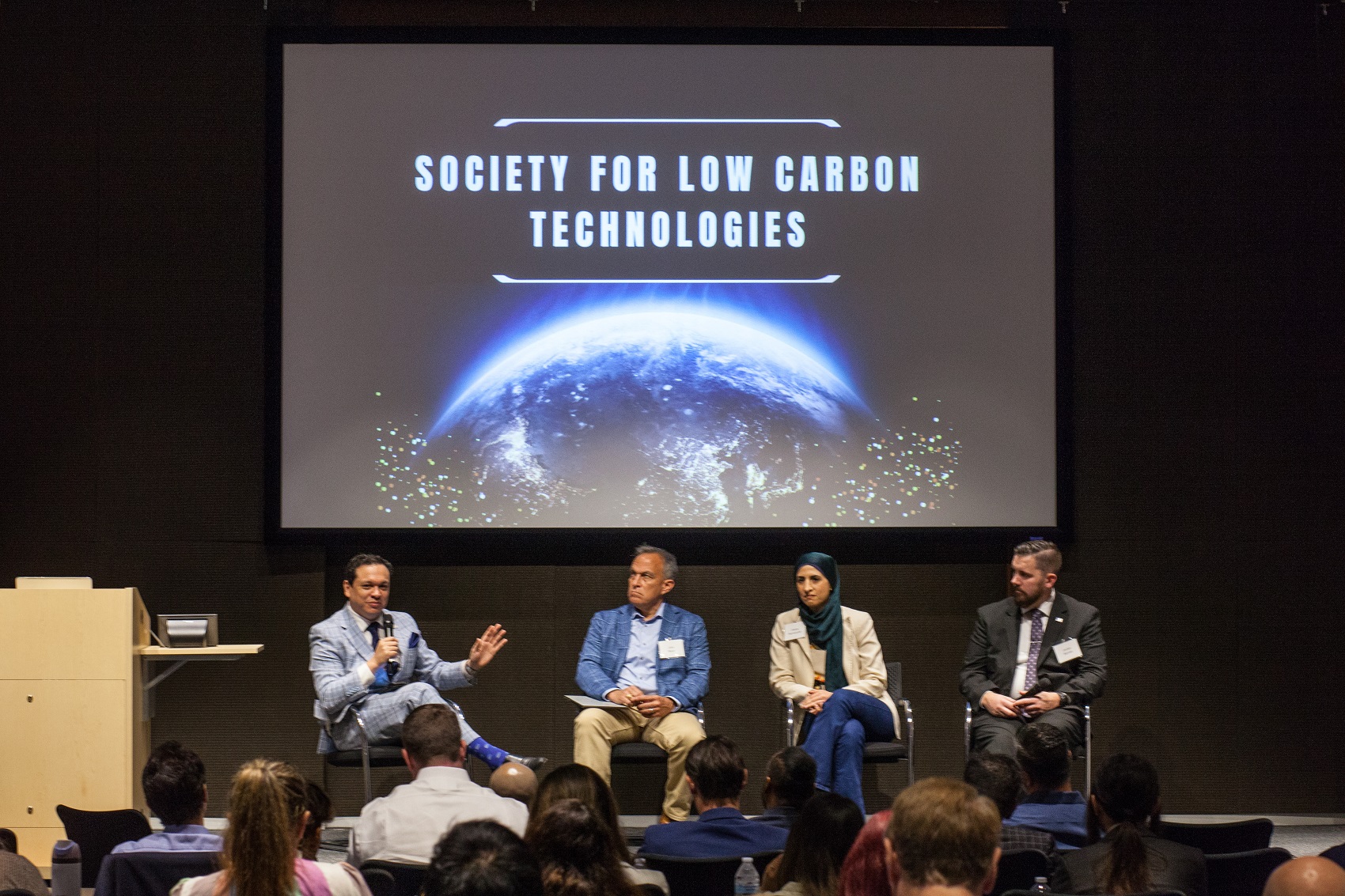
Industry panel featuring Fernando C. Hernandez (left), John Nixon, Jinane J. Harmouche, and Jordan W. Barnes; their respective organizations are mentioned in the article
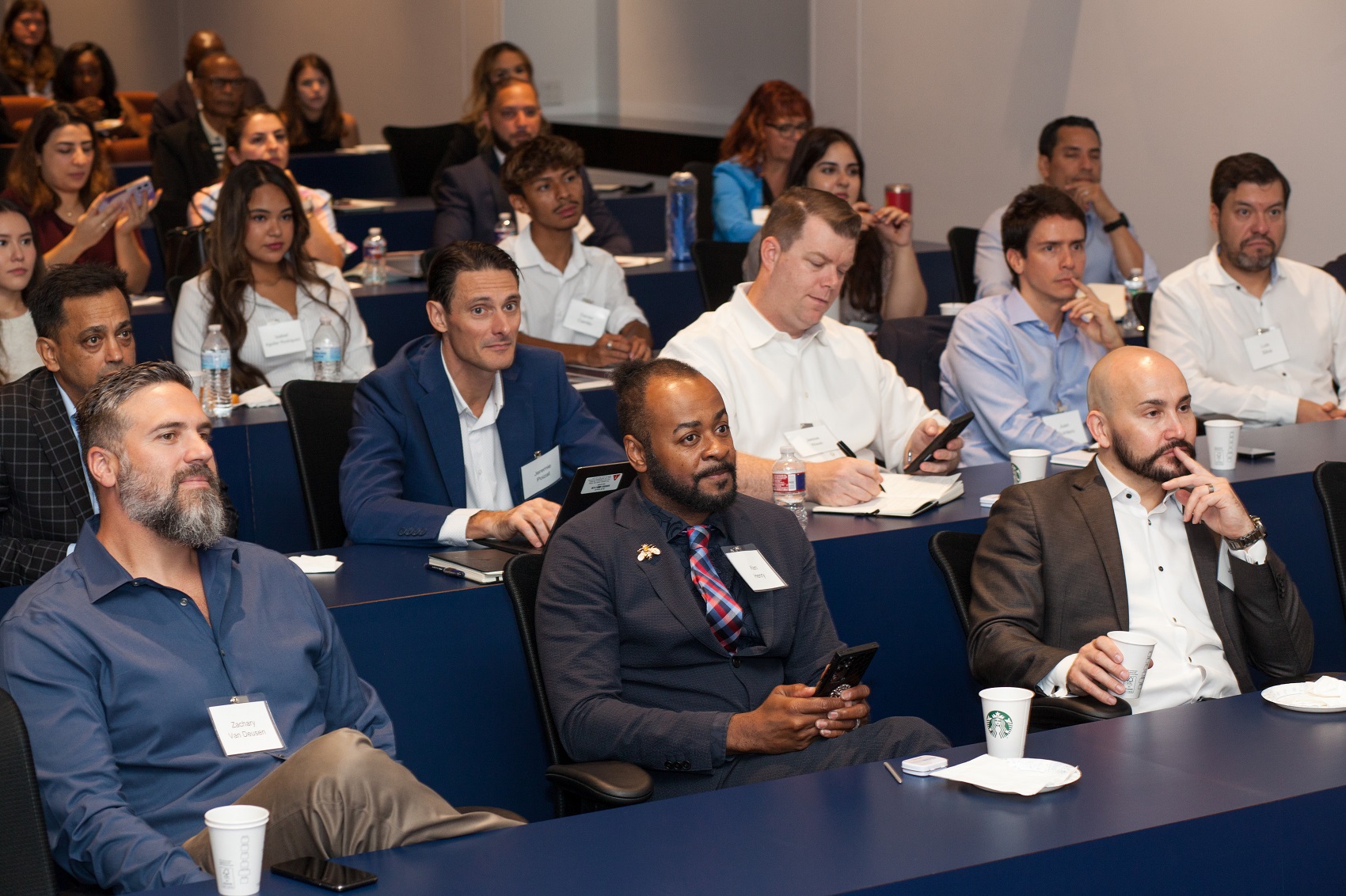
Audience observes the AI–energy–low-carbon industry panel, which established the groundwork that students later expanded on as panelists in the second session
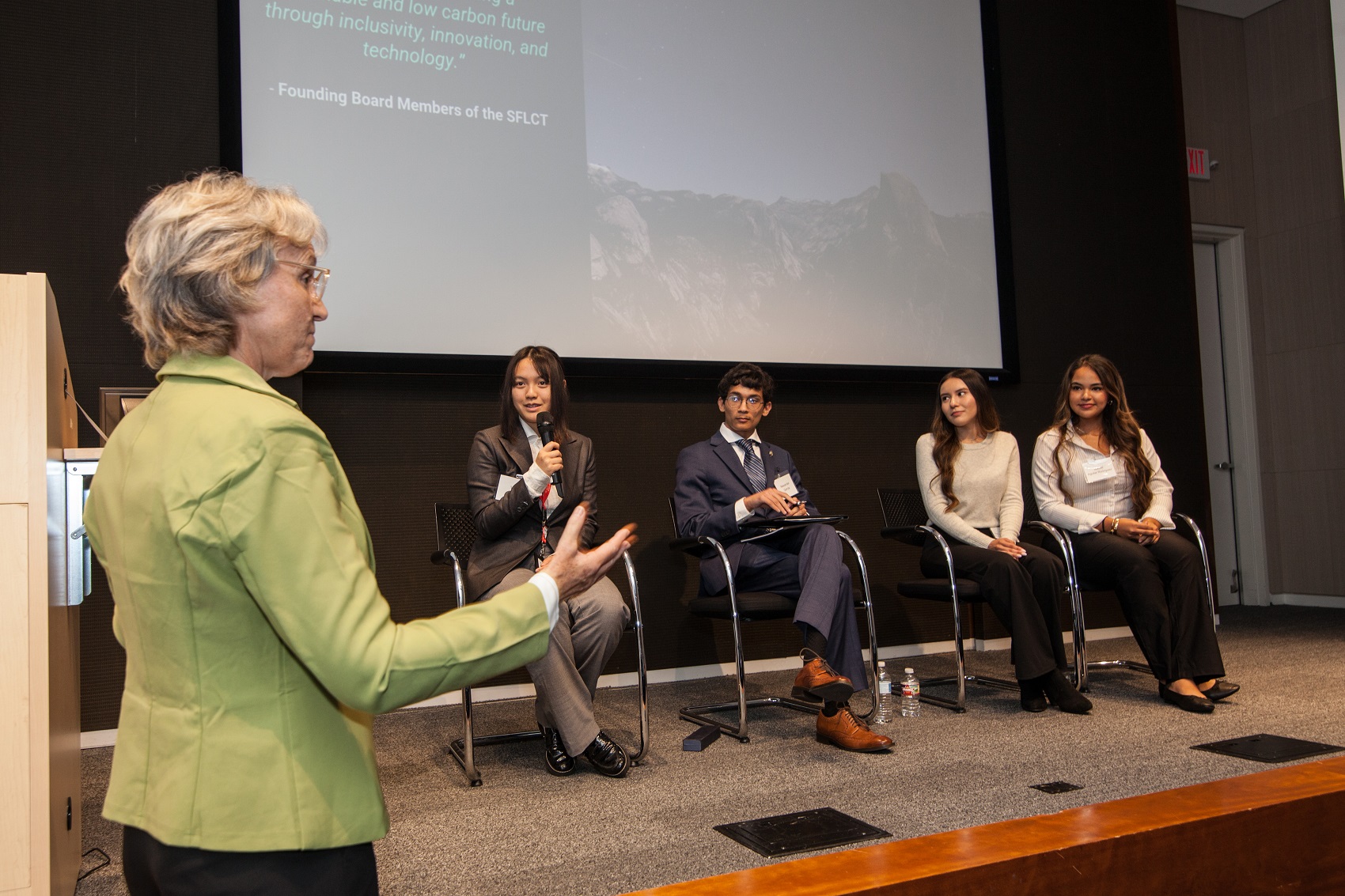
Dr. Sarah Morgan (left) of Lone Star College–CyFair moderates a student panel with participants from Lone Star College–CyFair and Rice University, including Alexander H. Garcia (third from left)
HOUSTON, TX, UNITED STATES, December 5, 2025 /EINPresswire.com/ -- The Society for Low Carbon Technologies (SFLCT) unlocked the next phase of its Immersion-to-Impact model after delivering the Sustainability Day Summit in collaboration with Lone Star College–CyFair, accelerating student learning and building the next-generation talent pipeline at no cost to students or academia. This Summit established the institutional momentum, creating a natural bridge from campus engagement to real-world immersion. The model equips emerging leaders with access to networks, credibility, and insight, turning academic potential into immediate, purpose-driven impact.
This momentum was demonstrated at SFLCT’s dual-panel program, where an industry panel was followed by a student panel, activating the Immersion-to-Impact model. The industry panel, titled “How AI Is Reshaping the Future of Energy and Carbon Capture,” hosted at Equinor’s Houston office, opened with a diverse and general audience including students.
The audience was exposed to how AI influences global energy models, informs Carbon Capture Storage (CCS) readiness, reshapes grid planning, and expands the boundary between industry and low-carbon expansion. Collectively, the panelists delivered emerging insights across digital twins, large language models, infrastructure, and energy systems, including geothermal, nuclear, and natural gas with CCS for AI purposes. Notably, this session occurred just before Chevron announced its project in Texas’ Permian Basin to support AI infrastructure with natural gas-to-CCS, underscoring the panel’s caliber.
These insights were provided by John Nixon, VP of Global Strategy at Siemens Digital; Jinane J. Harmouche, Senior Data Scientist at Baker Hughes; and Jordan W. Barnes, VP of Suppliers at Rystad Energy. The session was moderated by Fernando C. Hernandez, Chairman of the Board of SFLCT.
Building on this exposure that creates value for established professionals, the students stepped forward as panelists through their own session titled “Youth in the Age of AI and the Energy Transition.” The dual-panel format codified SFLCT’s Immersion-to-Impact model: industry leaders framed real-world systems, then students interpreted them, transforming passive learning into applied fluency. Hernandez adds, “This event is a proof of consequence, showing the Immersion-to-Impact model as a system for accelerating student readiness in real time, at no cost to students or academia.”
The student panel complemented the industry panel, demonstrating SFLCT’s Immersion-to-Impact model by cultivating learners from observers to active interpreters of the systems they encounter. Moderated by Dr. Sarah Morgan, Professor of Biology and Environmental Science at Lone Star College–CyFair and a member of SFLCT’s advisory board, students from Rice University and Lone Star College–CyFair articulated how AI might shape their careers, influence inclusion in the energy transition, and define pathways for impact.
For SFLCT, this dual-event arc reaffirms its institutional philosophy that educational systems preparing students for the low-carbon future must be experiential, multidomain, and rooted in systems fluency.
But this impact extended to a separate SFLCT event hosted by SLB, where one of the student panelists, Rice University undergraduate Alexander H. Garcia, who studies global affairs and cognitive science, progressed from participating in the youth dialogue to delivering formal closing remarks. Standing alongside leaders from organizations like Equinor, he demonstrated the velocity of the Immersion-to-Impact model. This resulted in Garcia meeting with a Scottish Government representative in a one-to-one setting in recognition of his oratory delivery, accelerating his goal to become a diplomat.
As global energy shifts intensify and AI becomes a defining variable in carbon governance, SFLCT will continue operationalizing this model across institutions, enabling the student talent pipeline to engage directly with practitioners shaping the world they will lead.
Press Relations
Society for Low Carbon Technologies
email us here
Visit us on social media:
LinkedIn
Legal Disclaimer:
EIN Presswire provides this news content "as is" without warranty of any kind. We do not accept any responsibility or liability for the accuracy, content, images, videos, licenses, completeness, legality, or reliability of the information contained in this article. If you have any complaints or copyright issues related to this article, kindly contact the author above.
